
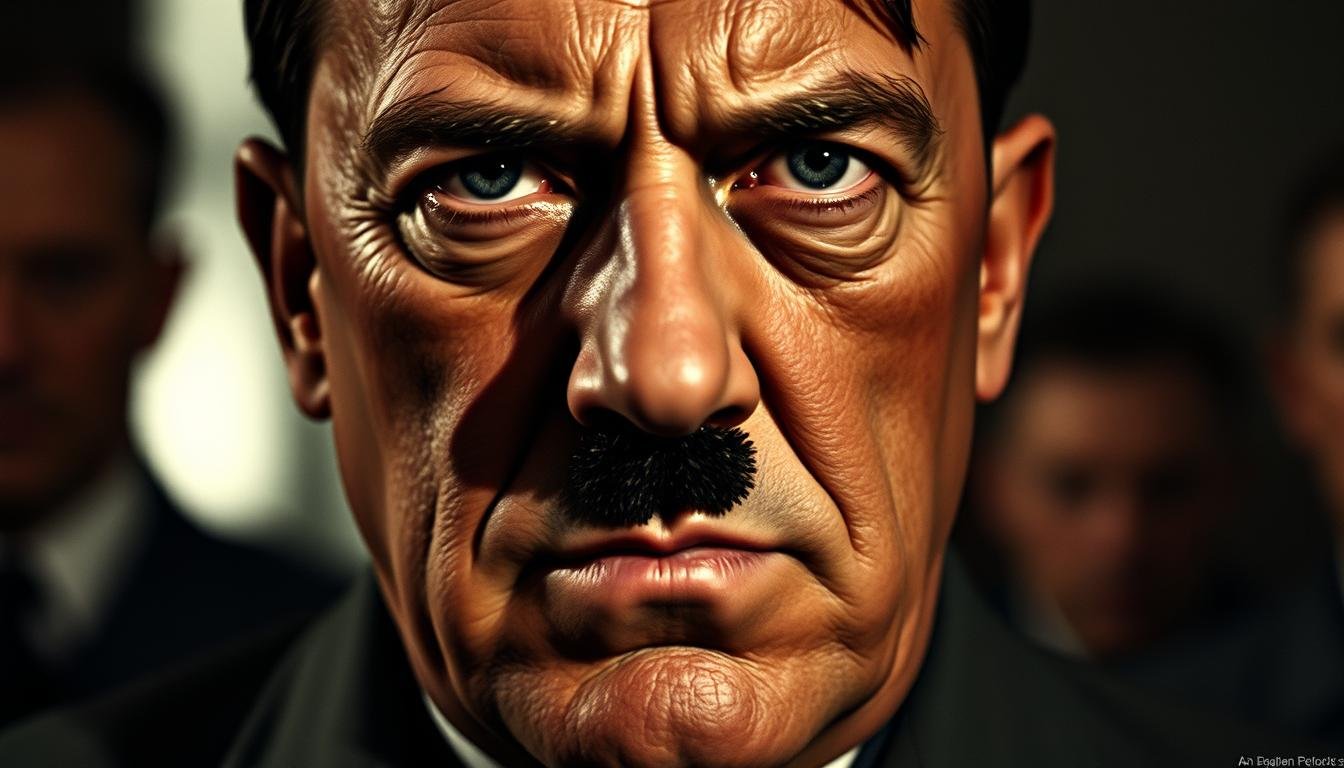
Was Hitler Time Magazine’s Man of the Year? Have you heard the claim that Adolf Hitler was named Time Magazine’s “Man of the Year” in 1938? This claim has sparked a lot of curiosity and debate. Both historians and the general public are talking about it.
As you look into this topic, you’ll learn about the historical context of Time Magazine’s “Man of the Year” award. This tradition is still alive today. It’s a topic that’s both interesting and worth exploring.
By looking into the controversy around Hitler’s selection, you’ll understand its implications better. You’ll also see the historical context in which this decision was made. [Was Hitler Time Magazine’s Man of the Year?]
Contents
- 1 The Truth About Hitler and Time Magazine
- 2 Understanding Time’s “Man of the Year” Designation
- 3 Was Hitler Time Man of the Year in 1938?
- 4 The Historical Context of Hitler’s Selection
- 5 Time’s Editorial Stance and Coverage
- 6 Other Controversial “Person of the Year” Selections
- 7 Media Responsibility and Historical Perspective
- 8 Conclusion: Was Hitler Time Magazine’s Man of the Year?
- 9 FAQ
- 9.1 Was Adolf Hitler really named Time Magazine’s “Man of the Year” in 1938?
- 9.2 What is Time Magazine’s “Man of the Year” designation?
- 9.3 Why was Hitler chosen as Time Magazine’s “Man of the Year”?
- 9.4 Was Time Magazine endorsing Hitler’s actions by naming him “Man of the Year”?
- 9.5 Has Time Magazine made other controversial “Person of the Year” selections?
- 9.6 What is the significance of understanding the historical context of Hitler’s selection?
The Truth About Hitler and Time Magazine
The debate over Adolf Hitler being named Time Magazine’s Man of the Year in 1938 is ongoing. You might ask why Time Magazine picked someone linked to so much global trouble and evil. To grasp this choice, we must look at the historical context of that era.
In the late 1930s, the world was about to enter World War II. Hitler’s moves were greatly affecting global happenings. Time Magazine naming Hitler Man of the Year was not a support for his beliefs or deeds. It was a way to show his big impact on the world. [Was Hitler Time Magazine’s Man of the Year?]
The Time Magazine controversy about Hitler comes from thinking it made him seem important. But, it’s key to see that this choice was to show his big role in world politics, not to back his goals.
Understanding Time’s “Man of the Year” Designation
Time Magazine’s “Man of the Year” is more than just an honor. It shows how much someone has changed the world. The person chosen has made a big impact on global events in the past year.
The editors at Time Magazine pick the “Man of the Year.” They look at many things, like what the person has done and how they’ve influenced others. It’s not always a good thing, but it shows their big impact.
Influential Figures of the Year
Time Magazine has picked many different people as “Man of the Year.” These include world leaders and famous figures. They’ve all played big roles in shaping history.
Learning about Time’s “Man of the Year” helps us understand what makes someone stand out. It’s a way to see how people’s actions can change the world, whether it’s for good or bad. [Was Hitler Time Magazine’s Man of the Year?]
Was Hitler Time Man of the Year in 1938?
You might be surprised to learn that Adolf Hitler was chosen as Time Magazine’s ‘Man of the Year’ in 1938. This choice sparked a lot of debate. It was not meant to support Hitler’s actions, but to acknowledge his big impact on the world.
The controversy over Hitler’s ‘Man of the Year’ choice was quick and strong. Many critics felt it legitimized his aggressive policies and beliefs. Here are some key points that summarize the reaction:
- The decision was criticized by many who saw it as an endorsement of Hitler’s actions.
- Others argued it was a neutral acknowledgment of his impact on world events.
- The selection highlighted the complex and often controversial nature of Time’s ‘Man of the Year’ designation.
The choice of Hitler as ‘Man of the Year’ in 1938 is still talked about today. It shows the power and influence of media recognitions. It also reminds us of the need to understand the historical context behind such decisions.
The Historical Context of Hitler’s Selection
To understand why Hitler was named Time Magazine’s “Man of the Year” in 1938, we must look at the world’s events. Nazi Germany, led by Hitler, was expanding its territory aggressively. The world was on the edge of World War II.
The Rise of Nazi Germany
In 1938, Nazi Germany’s power grew significantly. The annexation of Austria and the Sudeten Crisis were key moments. These events showed Hitler’s push for more territory and drew global attention.

1938 was a year of turmoil worldwide. The Great Depression’s effects were still felt. Countries were divided, with some isolating themselves and others forming alliances against Nazi Germany. [Was Hitler Time Magazine’s Man of the Year?]
| Event | Date | Significance |
|---|---|---|
| Annexation of Austria | March 1938 | Marked the beginning of Hitler’s expansionist policies |
| Sudeten Crisis | September 1938 | Highlighted the aggressive nature of Nazi Germany |
| Munich Agreement | September 1938 | Failed to appease Hitler, emboldening Nazi Germany |
Knowing these historical events helps us understand why Hitler was named Time Magazine’s “Man of the Year.” It shows his big impact on the world, whether good or bad.
Time’s Editorial Stance and Coverage
Time Magazine’s coverage of Hitler was not one-sided. Some articles criticized his actions, while others tried to show the complexity of the situation.
The magazine’s view on Hitler was influenced by the political climate of the time. It reported on Hitler’s policies and analyzed his global impact. This multifaceted approach aimed to inform readers about Hitler’s rise to power. [Was Hitler Time Magazine’s Man of the Year?]
Time Magazine’s decision to feature Hitler on the cover sparked controversy. Critics felt it legitimized his regime. However, the magazine’s team believed it was necessary to understand the geopolitical landscape of the time.
Looking at Time Magazine’s coverage gives insight into the historical context. It shows the challenges journalists and editors faced during that period. The magazine’s approach to reporting on Hitler reflects the debate on media’s role in shaping public opinion of political leaders.
Other Controversial “Person of the Year” Selections
Time Magazine has picked some Person of the Year winners that caused a lot of debate. Adolf Hitler was chosen in 1938, but he wasn’t the only one with a questionable past. [Was Hitler Time Magazine’s Man of the Year?]
Joseph Stalin, the Soviet leader known for his harsh rule, and Mao Zedong, the Chinese communist leader who caused many human rights abuses, also got the award. People have criticized these choices for seeming to praise or honor those with authoritarian or tyrannical ways.
- The influence and impact of these figures on global events, regardless of their moral character.
- The complexity of distinguishing between recognition and endorsement.
- The challenge of contextualizing historical figures within the broader narrative of global politics.
These choices remind us that Time Magazine’s Person of the Year isn’t always a thumbs-up. It’s more about who’s making a big impact in the world, even if it’s not always positive.
Media Responsibility and Historical Perspective
The media’s portrayal of influential figures greatly impacts how we see them. Time Magazine’s choice of Hitler as “Man of the Year” in 1938 is a clear example. It shows how media choices reflect our understanding of history.
The media shapes our view of historical events. Time’s choice of Hitler brought him global attention. This shows the media’s fine line between reporting and avoiding glorifying controversial figures.
Let’s look at how Time Magazine covered Hitler compared to other influential figures of the time.
| Figure | Year | Coverage |
|---|---|---|
| Hitler | 1938 | Man of the Year |
| Stalin | 1939 | Feature Article |
| Churchill | 1940 | Man of the Year |
By studying media coverage of historical figures, we learn more about media’s role in history. [Was Hitler Time Magazine’s Man of the Year?]
Conclusion: Was Hitler Time Magazine’s Man of the Year?
You’ve looked into the complex and debated choice of Adolf Hitler as Time Magazine’s “Man of the Year” in 1938. This choice showed the historical setting and Hitler’s global impact at that time.
By looking at this choice, you learn about media’s role in shaping what people think. You also see how important it is to understand the context of historical events.
Hitler being named “Man of the Year” reminds us of media’s power. It also shows the need for a deep understanding of history. Thinking about this time helps us see the past’s complexities and how media affects us today.
See Also: What Did Hitler Think About Black People?
FAQ
Was Adolf Hitler really named Time Magazine’s “Man of the Year” in 1938?
Yes, Adolf Hitler was named Time Magazine‘s “Man of the Year” in 1938. This choice sparked a lot of debate and controversy. [Was Hitler Time Magazine’s Man of the Year?]
What is Time Magazine’s “Man of the Year” designation?
Time Magazine’s “Man of the Year” is for the person who most influenced the world in the past year. It doesn’t matter if their actions were good or bad.
Why was Hitler chosen as Time Magazine’s “Man of the Year”?
Hitler was chosen because of his big impact in 1938. Nazi Germany was growing strong, and World War II was about to start.
Was Time Magazine endorsing Hitler’s actions by naming him “Man of the Year”?
No, Time Magazine didn’t support Hitler’s actions. They just recognized his big influence on world events. [Was Hitler Time Magazine’s Man of the Year?]
Has Time Magazine made other controversial “Person of the Year” selections?
Yes, Time Magazine has picked others that sparked debate, like Stalin and Mao. These choices have led to a lot of discussion. [Was Hitler Time Magazine’s Man of the Year?]
What is the significance of understanding the historical context of Hitler’s selection?
Knowing the history behind Hitler’s choice helps us understand why he was picked. It shows how media coverage can shape what we think.

Jayceon Schaefer, a social worker from Wailuku, Hawaii, is passionate about history. He created HitlerStory.com to share his deep interest in Adolf Hitler and explore complex historical topics through writing.